A DRIVE HOME THAT MEANT SOMETHING DIFFERENT
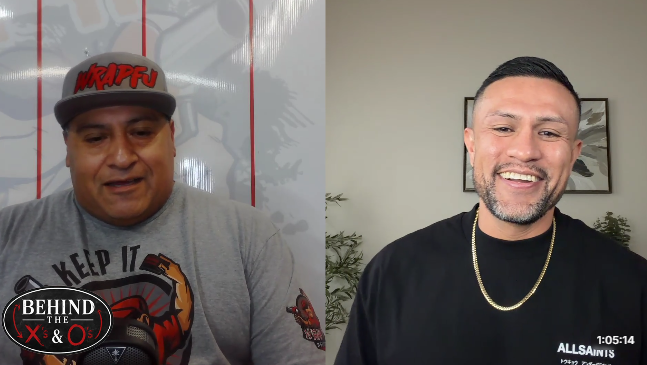
Years ago, Rey Sandoval was driving home from a ministry conference with Ruben Escalona and some friends.
It was late. They had spent hours listening to speakers, sharing experiences and talking about their faith.
Looking back, Rey recognizes how important those early experiences and relationships were in shaping his developing identity.
More than a decade later, that same question of identity remains central to his work.
Only now, Rey is also helping others discover their own answers.
THE STORY DIDN'T END WITH RECOVERY
Rey speaks openly about his history of addiction, repeated overdoses and the circumstances that brought him into a residential recovery program.
He recalls becoming a Christian on February 26, 2011, during his time in the program.
After graduating, he wasn't entirely sure what came next.
An opportunity to volunteer in ministry gave him somewhere to begin. He accepted responsibilities, learned from others and continued moving forward.
Over time, those early opportunities developed into years of ministry and leadership.
But Rey doesn't describe recovery as a single event that instantly resolved every challenge.
His experience introduced him to an ongoing process of understanding who he was, what he believed and how he wanted to live.
And that brings us to one of the most important subjects in his conversation with Ruben.
IDENTITY: THE QUESTION BENEATH THE STRUGGLE
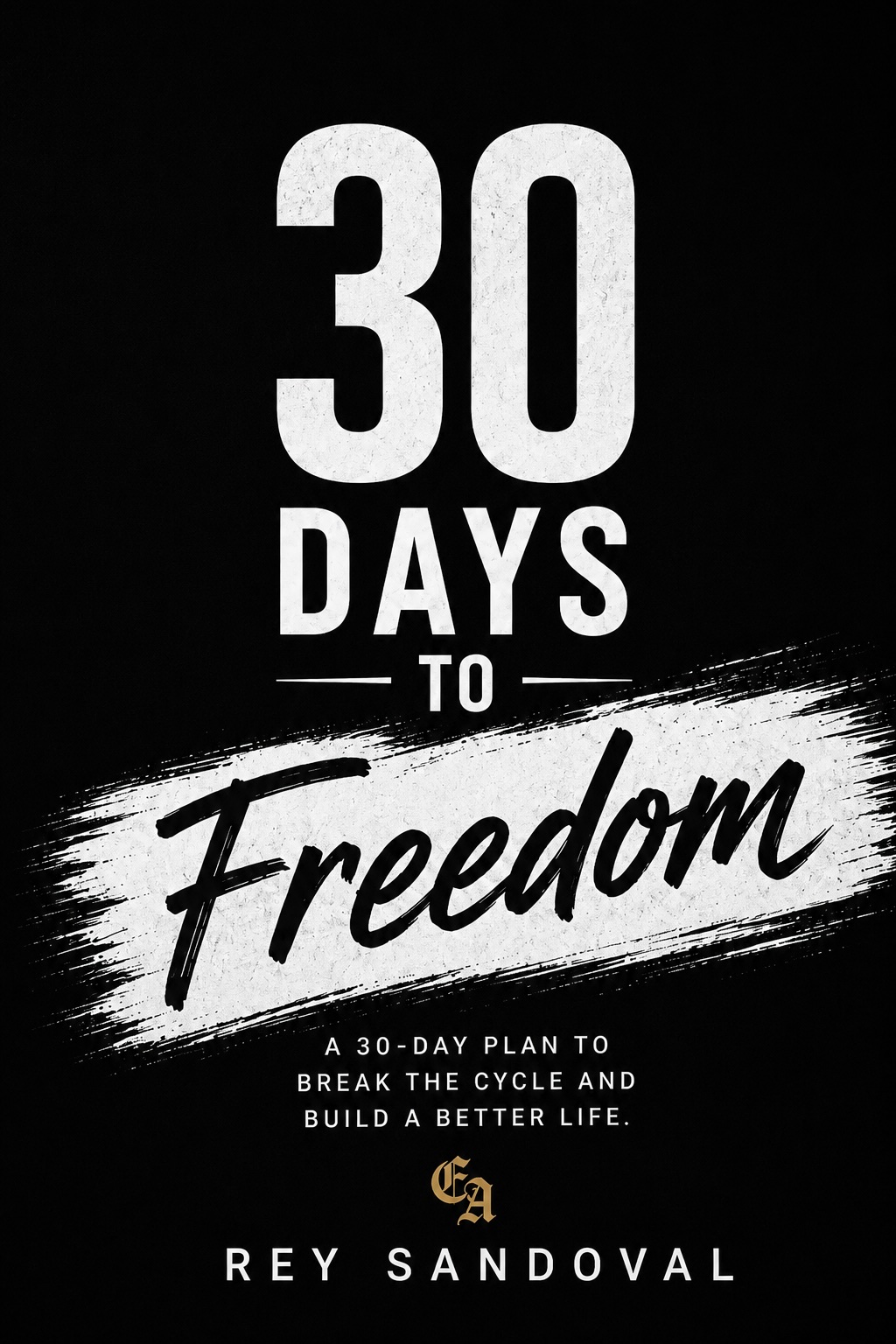
When Ruben began reading Rey's book, 30 Days to Freedom, he noticed something immediately.
The book begins with identity.
That wasn't accidental.
For Rey, addressing destructive behavior also means examining the deeper issues beneath it.
What are we pursuing? Why are we pursuing it? And how have our experiences shaped the way we see ourselves?
He believes those questions matter because people can become so identified with their struggles that they have difficulty imagining a different future.
But there's another side to identity that Rey has encountered during his years in ministry.
Sometimes people overcome one struggle only to build their entire identity around their new responsibilities.
Even meaningful work can become something a person struggles to release.
That realization connects two seemingly different parts of Rey's story: recovering from addiction and learning when to pass leadership to someone else.
KNOWING WHEN TO PASS THE BATON
During that conference years ago, Rey heard a message about Elijah and Elisha and the importance of transferring responsibility to the next generation.
At the time, he was relatively new to his faith.
He remembered the message, but he couldn't fully appreciate its significance.
Today, after approximately 15 years in ministry, he understands it differently.
During the conversation, Ruben asked Rey about the challenge of knowing when to pass leadership along.
Handing it over too early can create problems. Holding on too long can prevent someone else from developing.
Rey's response revealed how much his thinking has changed.
He doesn't want to hold on to leadership until the opportunity has lost its momentum.
He wants to prepare others to continue the mission.
That requires something more difficult than simply identifying a successor.
It requires recognizing that the work doesn't belong exclusively to the person who started it.
For Rey, that understanding is rooted in his faith.
It's also another expression of freedom: being willing to release something meaningful so someone else has room to grow.
WHEN THE STORY COMES FULL CIRCLE
One of the most personal parts of the conversation came when Rey reflected on his family.
After everything he experienced during his earlier years, seeing his family involved in ministry carries particular significance.
It's a reminder of how dramatically his circumstances have changed.
But it's also a reminder that the impact of a person's decisions can extend far beyond that individual.
His story is no longer exclusively about where he came from.
It's also about the people who have become part of the journey and the opportunities being created for the future.
For Ruben, who knew Rey during his early years of faith, hearing these reflections made their reunion especially meaningful.
This wasn't simply an interview with a pastor promoting a book.
It was a conversation between friends who could remember earlier chapters while discussing everything that has happened since.
30 DAYS TO FREEDOM: PUTTING EXPERIENCE INTO SOMEONE ELSE'S HANDS
Interestingly, Rey didn't originally set out to become an author.
Over the years, people who visited the recovery ministry encouraged him to document what he had learned.
Eventually, his thinking about leadership and legacy helped him recognize another possibility.
A book could carry lessons beyond the people he was able to reach personally.
30 Days to Freedom grew out of that realization.
The book brings together his experiences, faith and understanding of recovery in a format intended to help readers work through their own challenges.
And while addiction is an important part of the book's intended audience, Rey and Ruben discussed how its central questions extend beyond substance use.
Identity, guilt, shame and freedom are subjects that can resonate with people facing many different circumstances.
One chapter in particular stood out during their conversation.
SHAME IS A LIAR
When Ruben asked Rey which chapter he would highlight, Rey pointed to Shame Is a Liar.
He explained an important distinction in his understanding of guilt and shame.
Guilt concerns something a person has done.
Shame can become a judgment about who that person believes they are.
In Rey's Christian understanding, repentance and forgiveness offer a way to address wrongdoing without permanently defining a person by it.
That's why identity is so important to his message.
If someone cannot imagine being anything other than their past mistakes, imagining a different future becomes much harder.
Rey's book encourages readers to confront those beliefs rather than simply accept them.
DELIVERED FROM SOMETHING, FOR SOMETHING
There's a reason this phrase became the title of the episode.
It captures the connection between Rey's past and his present without suggesting that either chapter tells his entire story.
He survived circumstances that once threatened his life.
He found faith, accepted opportunities to serve and spent years developing his understanding of leadership.
Now he's thinking about how to pass those experiences forward.
Through his ministry, his family, the leaders he's preparing and his book, Rey is exploring what it means to turn personal experience into something that can benefit other people.
And perhaps that's the most meaningful part of his reunion with Ruben.
Two friends who have stayed the course in their walk with God can now look back and appreciate the journey that brought them here.
The journey has continued.
So has the story.
And Rey is increasingly focused on what he can pass along to the people who will write its next chapters.