
The Guy Who Keeps Asking “What If?”
How family, sacrifice, curiosity and a willingness to act are shaping Arnaldo Gjocaj's entrepreneurial story.
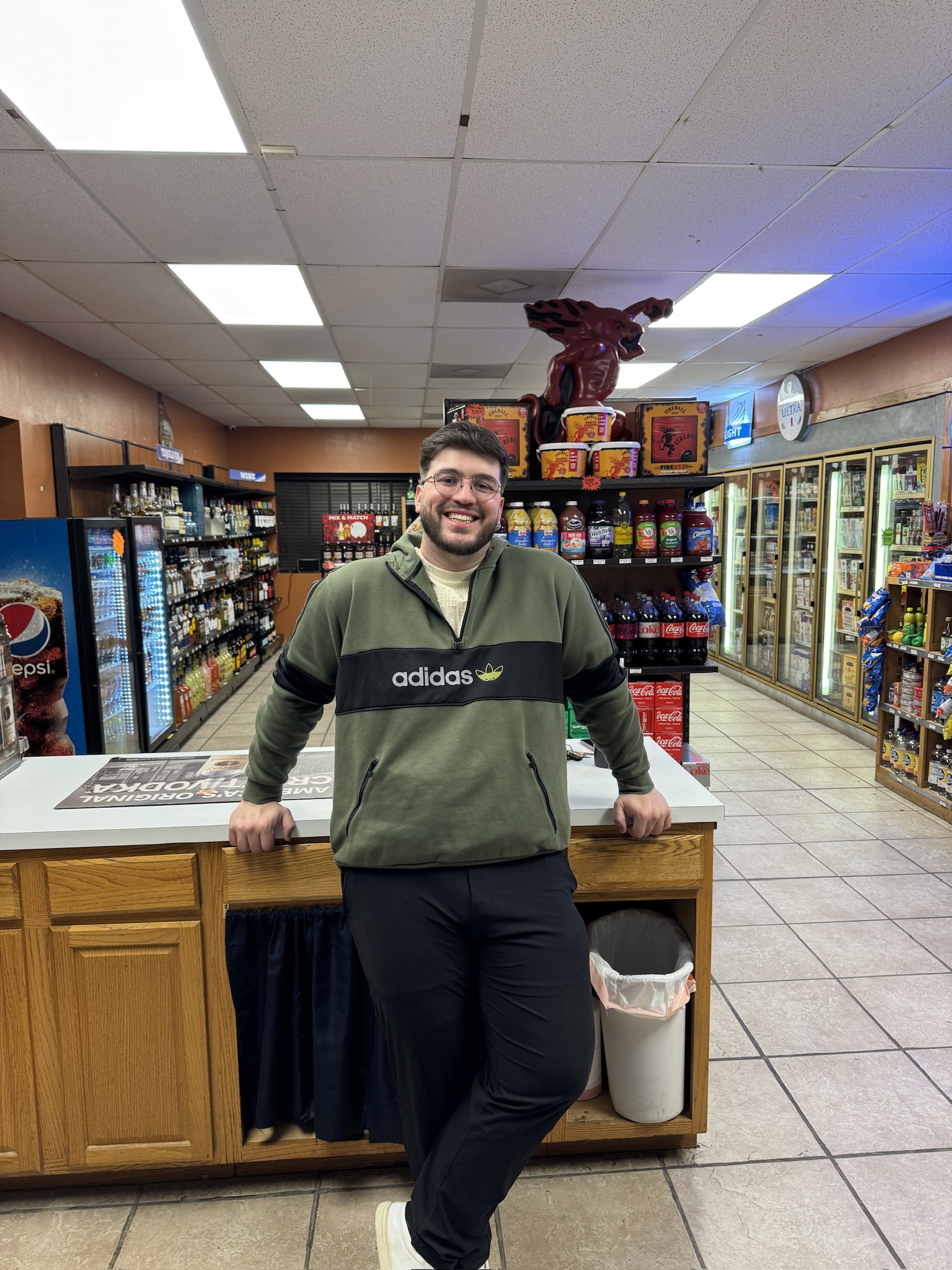
There are people who look at an empty piece of land and see an empty piece of land.
Arnaldo Gjocaj sees possibilities.
A shopping center. A restaurant. A gym. A development. Maybe something nobody has thought of yet.
His mind seems to naturally begin with two words: What if?
“I have a million ideas a day,” Arnaldo said during our recent Behind the X's & O's conversation.
That might sound like the mind of a dreamer.
It is.
Arnaldo will tell you that himself.
But spend a little more time talking with him and you discover something important: he doesn't just enjoy imagining what could exist.
He wants to know whether it could actually work.
He studies the property. He looks at demographics. He considers location. He runs numbers. He writes down the pros and cons.
He has notebooks and binders filled with ideas—some ready for now, some perhaps for later, and probably plenty that will never leave the page.
That's where Arnaldo's story gets interesting.
Because behind the businesses, properties and ideas is a young man still learning when to dream, when to move—and when life may be telling him, not yet.
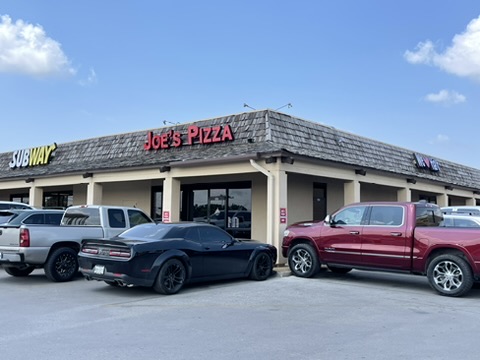
Before Cool Cats, There Was Joe's Pizza
Arnaldo was born in Albania and came to the United States when he was about four years old.
His family first landed in New York, eventually made their way to Texas, and in 2005 settled into what Arnaldo calls their “forever home” in Abilene.
That same year, his parents purchased Joe's Pizza on Buffalo Gap Road.
Arnaldo essentially grew up inside the restaurant.
His dad became the pizza man. His mom worked the front. Arnaldo worked the kitchen.
And like plenty of kids raised in a family business, he didn't always appreciate the lessons while they were happening.
He remembers wondering why they had to clean every single night after a long shift.
Then he learned what it felt like to walk into a clean restaurant the next morning, ready to begin again.
He remembers questioning why his dad would take an order five minutes before closing—or even deal with a customer who walked in around closing time.
“If someone walks through the door, they're a customer.”A lesson Arnaldo learned from his father
Years later, Arnaldo understands what his father was teaching him.
Service matters. How you treat people matters. And relationships are part of what brings people back.
Those lessons followed him far beyond the restaurant.
The Business You Try to Leave
Arnaldo tried another path.
Actually, several.
He worked sales. He worked in HR. He tried the more traditional routine of going to work, sitting behind a desk and knowing roughly when the workday would end.
There were things about that life he liked. But something was missing.
He could work eight or nine hours and go home feeling as though he hadn't moved anything forward.
Growing up around entrepreneurship had apparently changed his definition of work.
He wanted to feel like his effort was building something.
And no matter how many times he tried to leave the family restaurant behind, it kept calling him back.
Joe's wasn't merely a job.
It had become part of his story.
Arnaldo described the restaurant as its own chapter in his family's book— a place where they have fought, laughed, cried, experienced heartbreak and celebrated success together.
Sometimes the place that taught you how to work never completely stops being home.
When the Dream Car Becomes the Down Payment
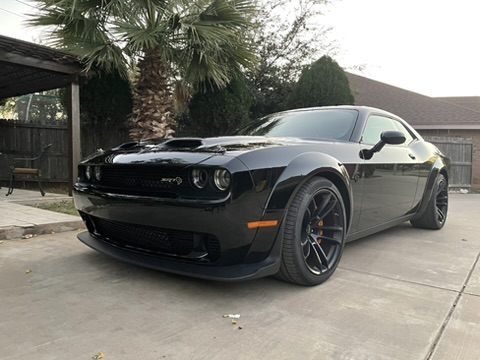
At one point, one of Arnaldo's dreams was sitting in his driveway.
A Dodge Challenger Widebody Redeye. About 800 horsepower.
He loved the car enough that it became part of how he learned social-media marketing.
He built an Instagram presence around it, experimented with giveaways and treated the car almost like the influencer when he didn't want to be one himself.
It was supposed to be the first car in a future collection.
Then another opportunity arrived.
The chance to acquire what would become Cool Cats Liquor required Arnaldo to bring money to the table.
Suddenly the dream sitting in the driveway was competing with the dream in his head.
Arnaldo sold the car.
“You have to sacrifice to be successful.”Arnaldo Gjocaj
The profit helped provide the money he needed to move forward with the business.
Maybe one day another Redeye ends up in his garage.
But that particular car became something more valuable than transportation.
It became a decision.
A tangible example of choosing what he wanted next over what he wanted now.
WHAT IF?
Some people see an empty piece of land. Arnaldo Gjocaj sees what could be there.
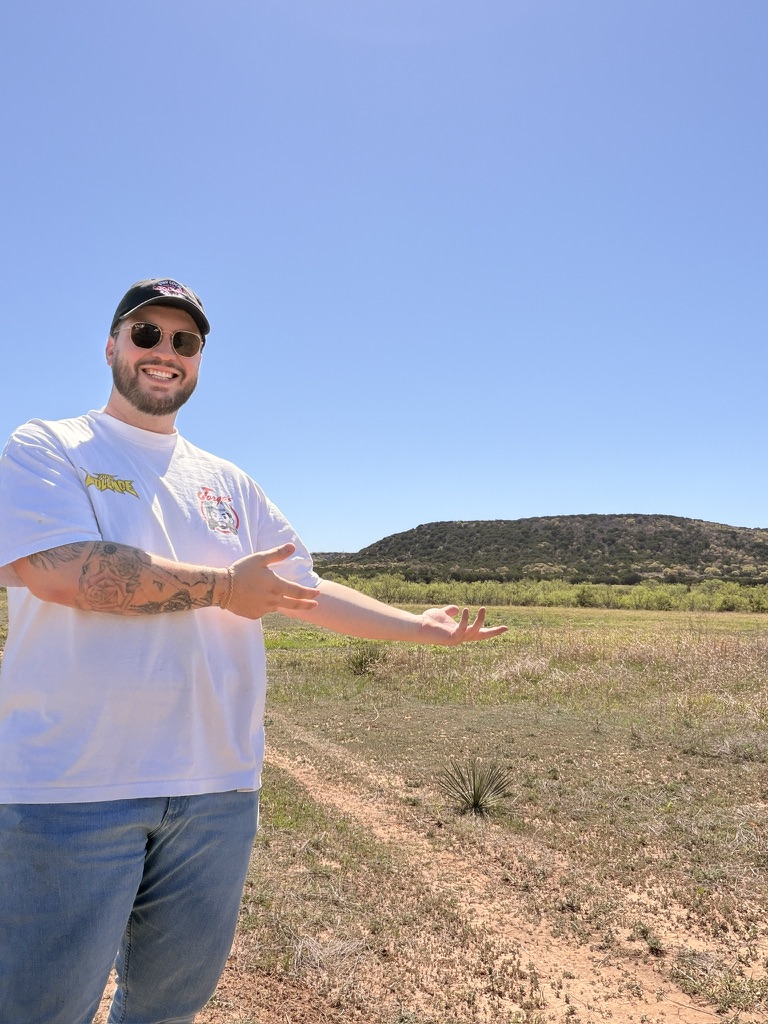
This is where you begin to understand the way Arnaldo sees the world.
He can drive past a building and imagine an entirely different use for it.
He can look at an acre of land and mentally start placing buildings on it.
Ideas Are Only the Beginning
Arnaldo once drove past the old Century 12 movie theater in Abilene and immediately imagined what the roughly 37,000-square-foot building could become as a massive gym.
Then he did something important.
He called the real-estate agent.
Not necessarily because he was about to buy it.
He wanted information. He wanted to investigate the idea.
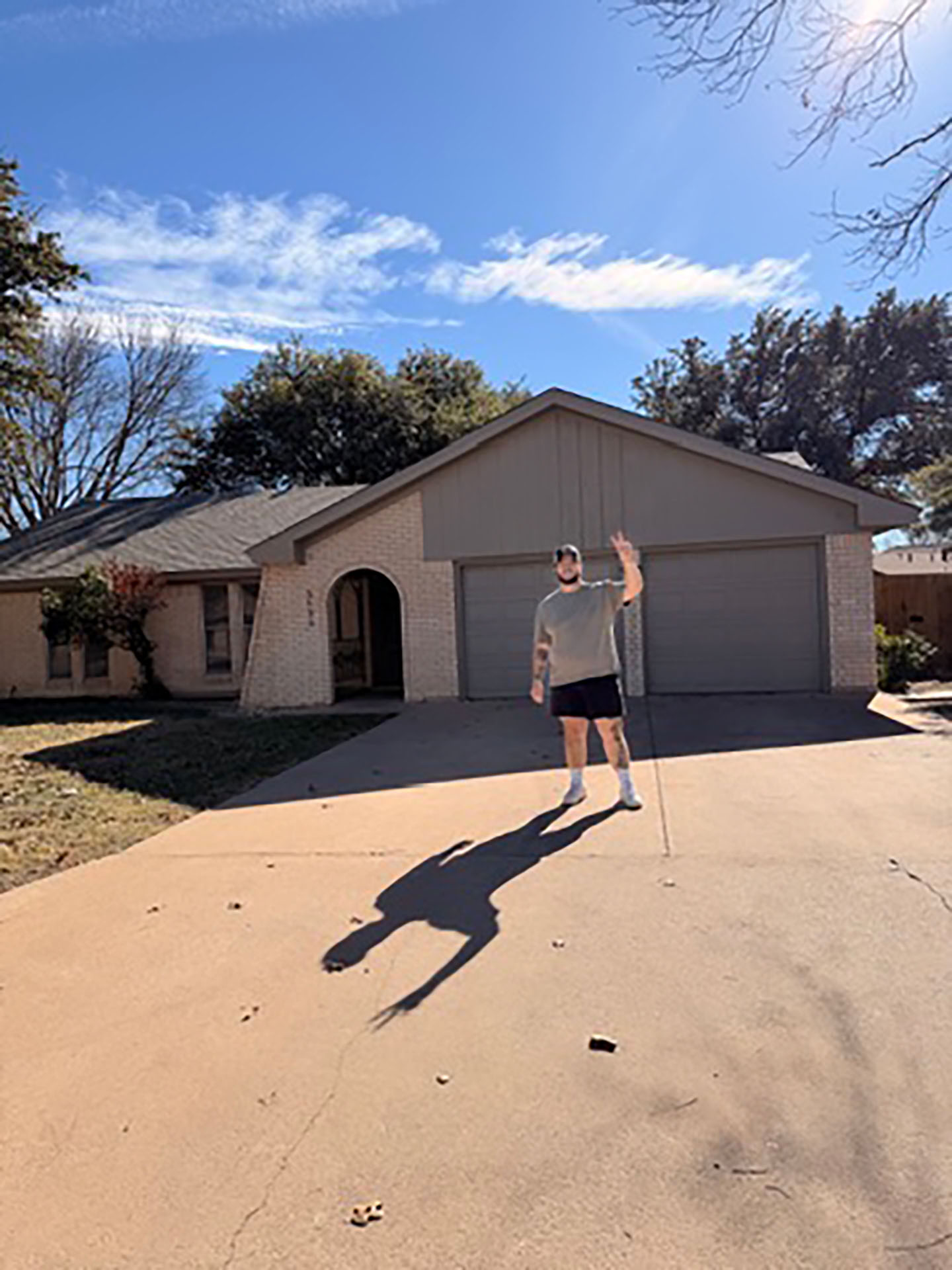
Arnaldo estimates one of his notebooks contains around 500 business ideas.
But he doesn't believe every idea deserves to become a business.
He runs numbers. He studies demographics. He asks whether a location makes sense.
He asks whether an idea could make money.
He asks whether pursuing it would still leave room for the family he hopes to build.
Dreaming is part of his process. But eventually the dream has to face reality.
“You can daydream, but how far are you willing to make that dream a reality?”Arnaldo Gjocaj
And a few moments later, he reduced the idea even further:
“You have to make it a reality.”
That's the difference between possibility and entrepreneurship.
At some point, What if? has to become Let's find out.
Not Every “No” Was a Loss
One of Arnaldo's biggest dreams has been opening a Mediterranean restaurant.
He came close.
He had a location picked out. He was working through a lease. He was ready to go.
Then the opportunity went to someone with considerably more business and ownership experience.
At the time, it hurt.
Looking backward, Arnaldo sees it differently.
Sometimes the opportunity wasn't wrong. Sometimes we simply weren't ready yet.
He's glad some of his earlier ideas didn't work.
Not because they were necessarily bad ideas, but because he recognizes that the person trying to execute them wasn't yet the person he is today.
He talks openly about maturity and his earlier difficulty receiving criticism.
Where a younger Arnaldo might have become angry or shut down, today he is more likely to ask:
Can you help me understand how to fix it?
That's growth that doesn't appear on a balance sheet.
The Part Social Media Doesn't Show
Scroll through social media long enough and entrepreneurship can begin to look suspiciously easy.
New location. New car. New property. Grand opening. Another win.
Arnaldo doesn't buy it.
He knows there are moments when a business owner sits alone inside a closed store wondering:
What the heck am I doing?
He's been there.
He's felt close to breaking. He's questioned whether what he was doing was actually working.
And in those moments, he remembers something his father taught him: problems have already happened. Stressing yourself into the ground won't undo them.
So what's the backup plan? What's the next move? Who can help?
Because another lesson Arnaldo has learned is that entrepreneurship isn't the story of one person doing everything.
“You can't accomplish things all by yourself. You have to have help.”Arnaldo Gjocaj
Learning to Let Other People Carry It
That realization became especially important as Cool Cats grew.
Arnaldo couldn't personally operate multiple locations while simultaneously thinking about marketing, margins, expansion, real estate and whatever might come next.
He had to learn to delegate.
More importantly, he had to find people he trusted enough to delegate to.
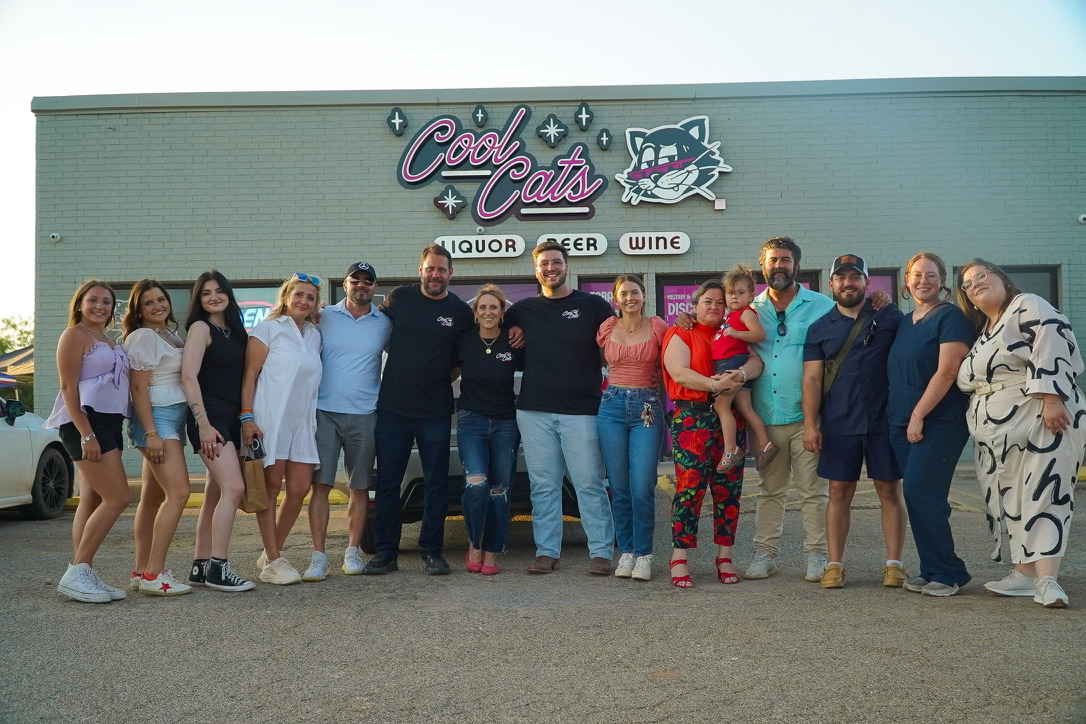
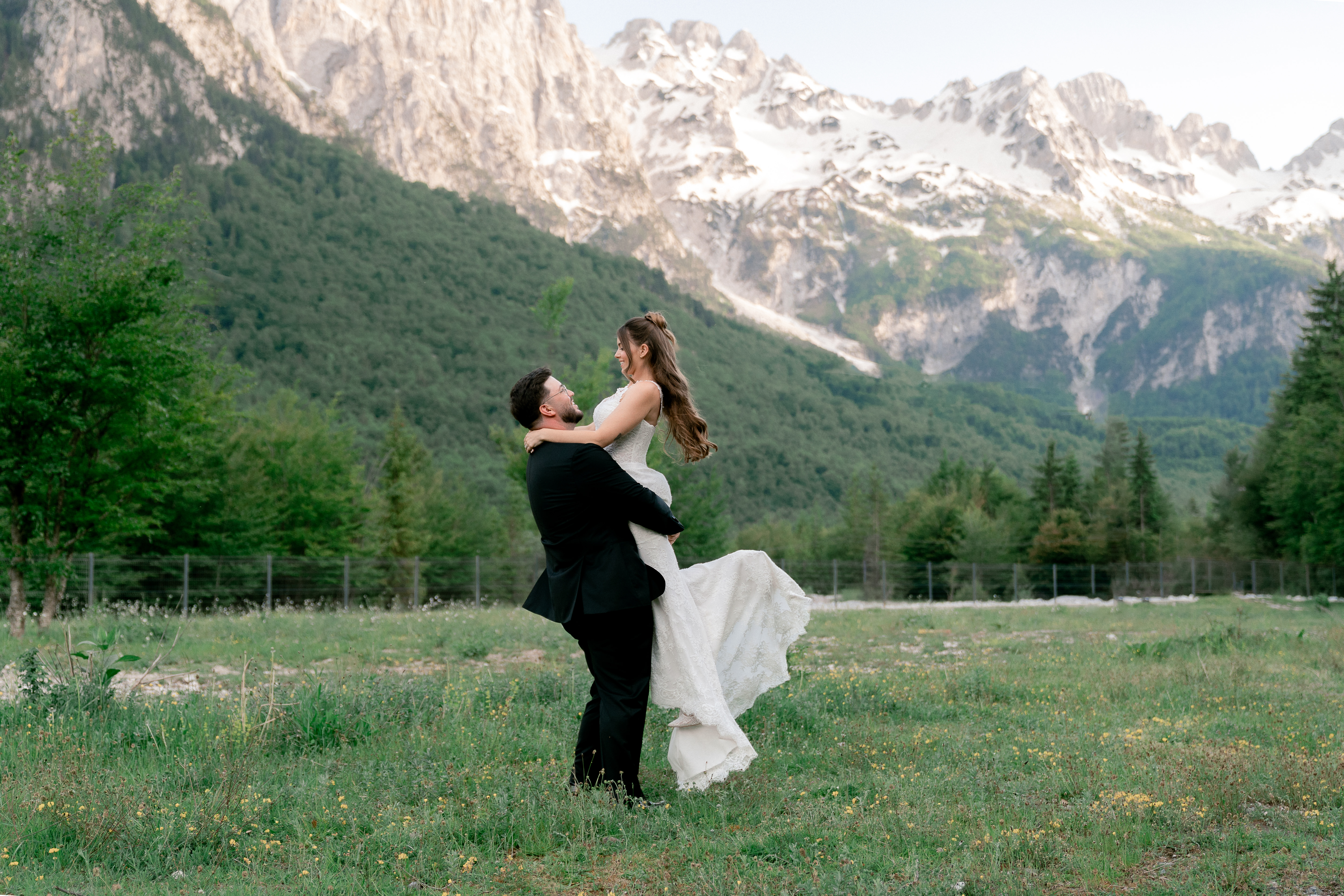
That lesson became especially real when Arnaldo left the country for about a month to get married in Albania and enjoy his honeymoon.
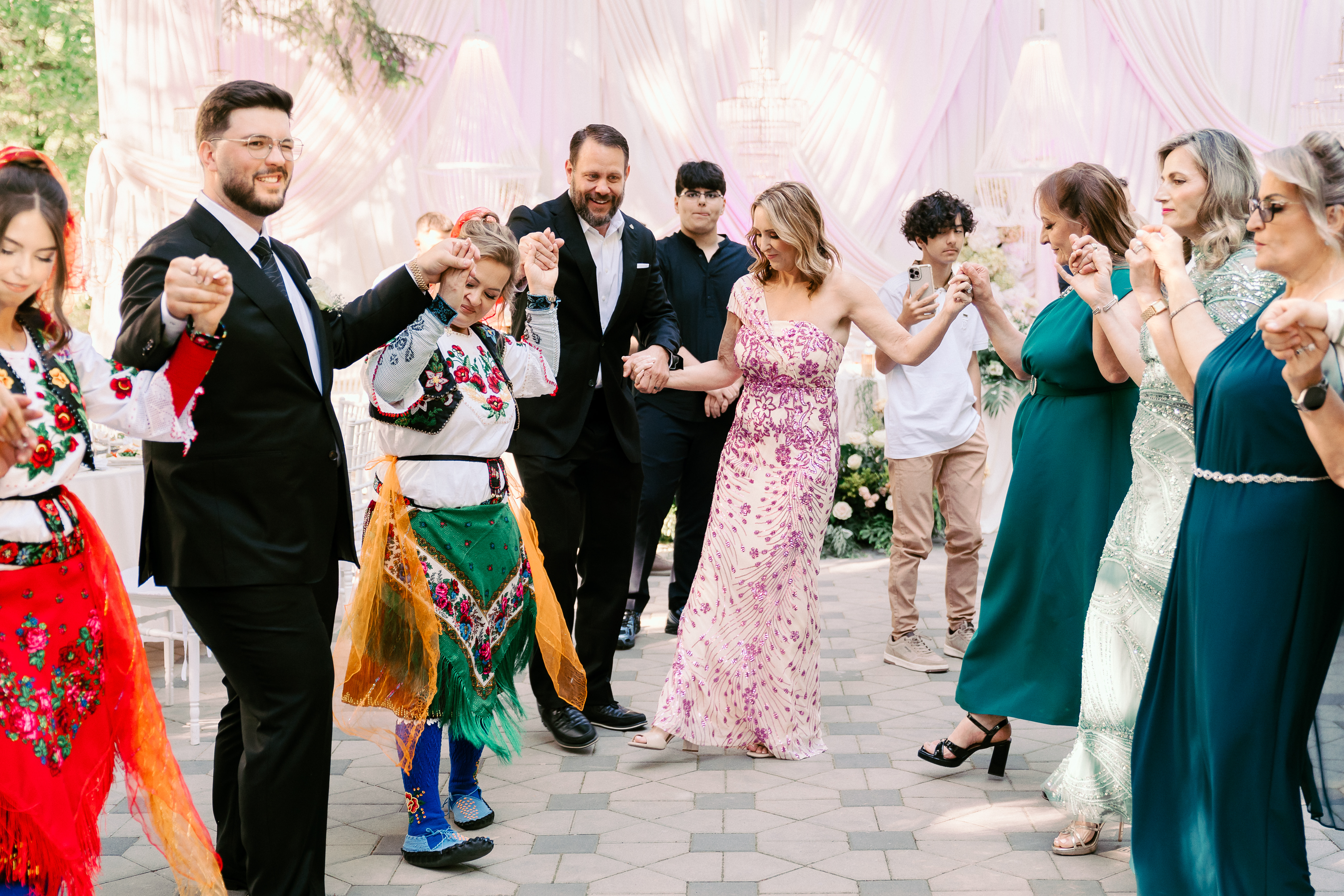
He expected to return to fires.
Instead, he walked back into businesses that had kept operating.
His managers and team had handled it.
For an entrepreneur accustomed to carrying everything, that can be a strange kind of success.
The business worked while he wasn't standing in the middle of it.
And that creates room for another question: What next?
You Have to Make It a Reality
Watch the complete Behind the X's & O's conversation with Arnaldo Gjocaj about family, entrepreneurship, sacrifice, real estate, failure, possibility—and what happens when “What if?” becomes “Let's find out.”
Watch the Full ConversationStill Becoming
Arnaldo doesn't pretend to have the future completely figured out.
There are more Cool Cats possibilities. There's real estate. There are development ideas.
There's still that Mediterranean restaurant dream somewhere in the notebook.
There are properties he looks at and possibilities he hasn't built yet.
But toward the end of our conversation, Arnaldo mentioned another goal.
Starting a family.
For somebody whose understanding of entrepreneurship was formed inside his own family, perhaps that isn't separate from the story at all.
Maybe it's the next chapter of it.
Arnaldo is still young.
Still learning. Still making mistakes. Still changing his mind.
Still filling notebooks. Still asking questions.
And maybe that's exactly why his story is worth telling now rather than waiting until somebody decides he has “made it.”
Behind the X's & O's isn't supposed to be about finding people who have life completely figured out.
It's about meeting the person behind what everybody else sees.
And behind Cool Cats Liquor, Joe's Pizza, the properties, the ideas and whatever business might come next is a guy who keeps looking at the world and asking:
What if?
“You gotta get back up and fight.
The bell didn't ring yet.”
The conversation ends. The story keeps going.
Discover more Guest Features built from real conversations, real experiences and the parts of people's stories that deserve a little more room.